How porcelain, ceramic and natural stone compare in a bathroom, plus grout, slip resistance and the waterproofing behind the tile.
A bathroom asks more of tile than most rooms do: daily water, steam, cleaning products and bare feet. The right tile depends on where it goes, floor, shower walls or shower floor, and how much maintenance you are comfortable with. This guide covers the common materials and the details that usually matter more than the tile itself.
Start behind the tile
Tile and grout are not waterproof on their own. Water can pass through grout and reach whatever is behind it. In a shower, what keeps the walls and floor dry is the waterproofing system installed under the tile: the backer board, membrane and properly sloped shower pan. When you compare options, ask what waterproofing method will be used, not just which tile.
If a shower or tub has been leaking and caused damage, the area needs to be dried out before any rebuilding. That is the work of a mitigation company. If you need one, we recommend STAT Restoration, the mitigation partner we work with.
Common tile materials
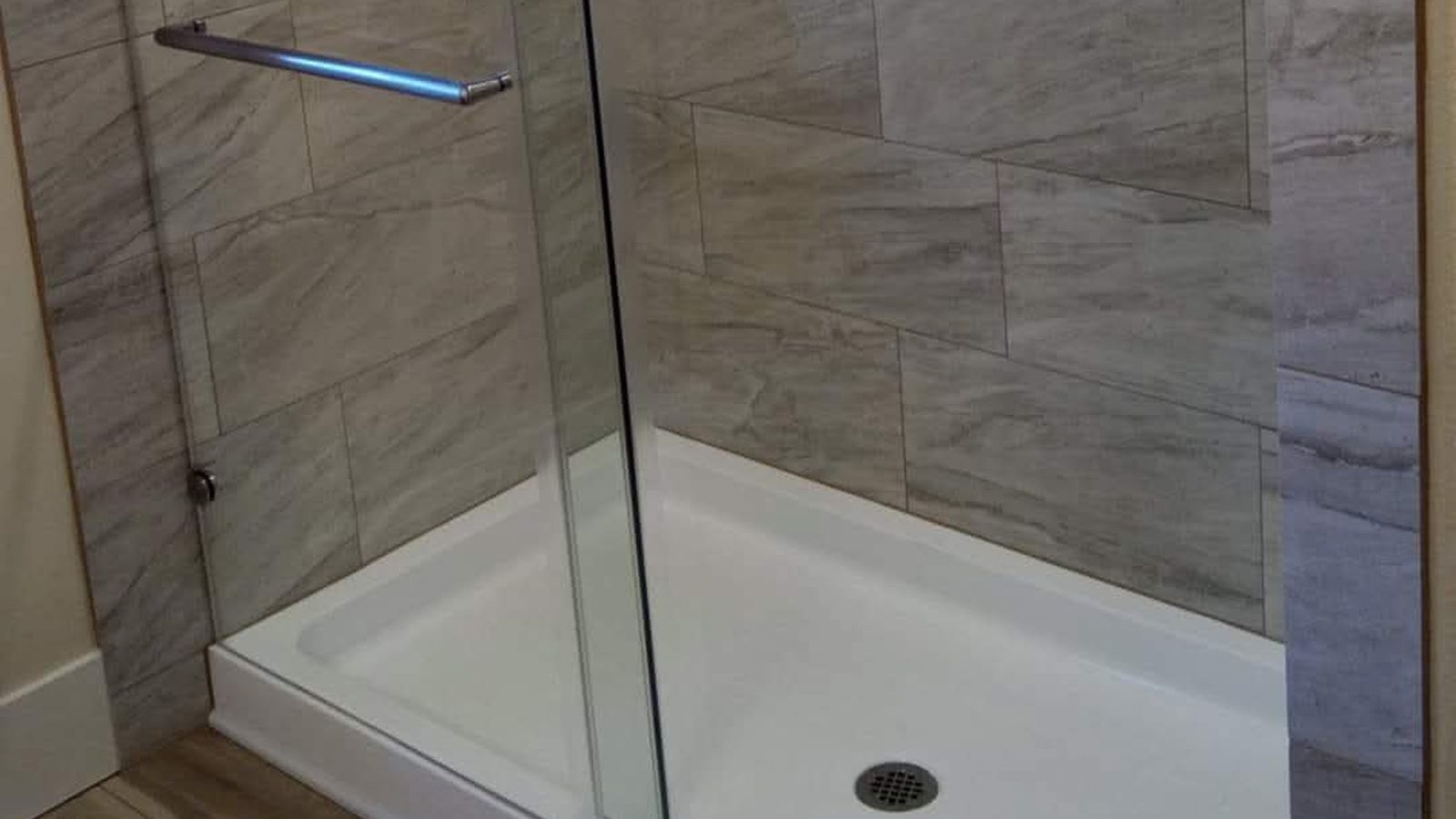
Porcelain. A dense tile that absorbs very little water. It works on floors, shower walls and shower floors, and is available in many looks, including stone and wood patterns.
Ceramic. Generally softer and more absorbent than porcelain. Glazed ceramic is a common, practical choice for bathroom walls and backsplashes. Check the manufacturer's rating before using it on a floor.
Natural stone. Marble, travertine, slate and others have a look that is hard to copy. Stone usually needs sealing and resealing, and some stones can etch or stain from acidic cleaners, so it takes more care.
Glass. Often used as an accent or a niche. It can be slippery and is not usually used on floors.
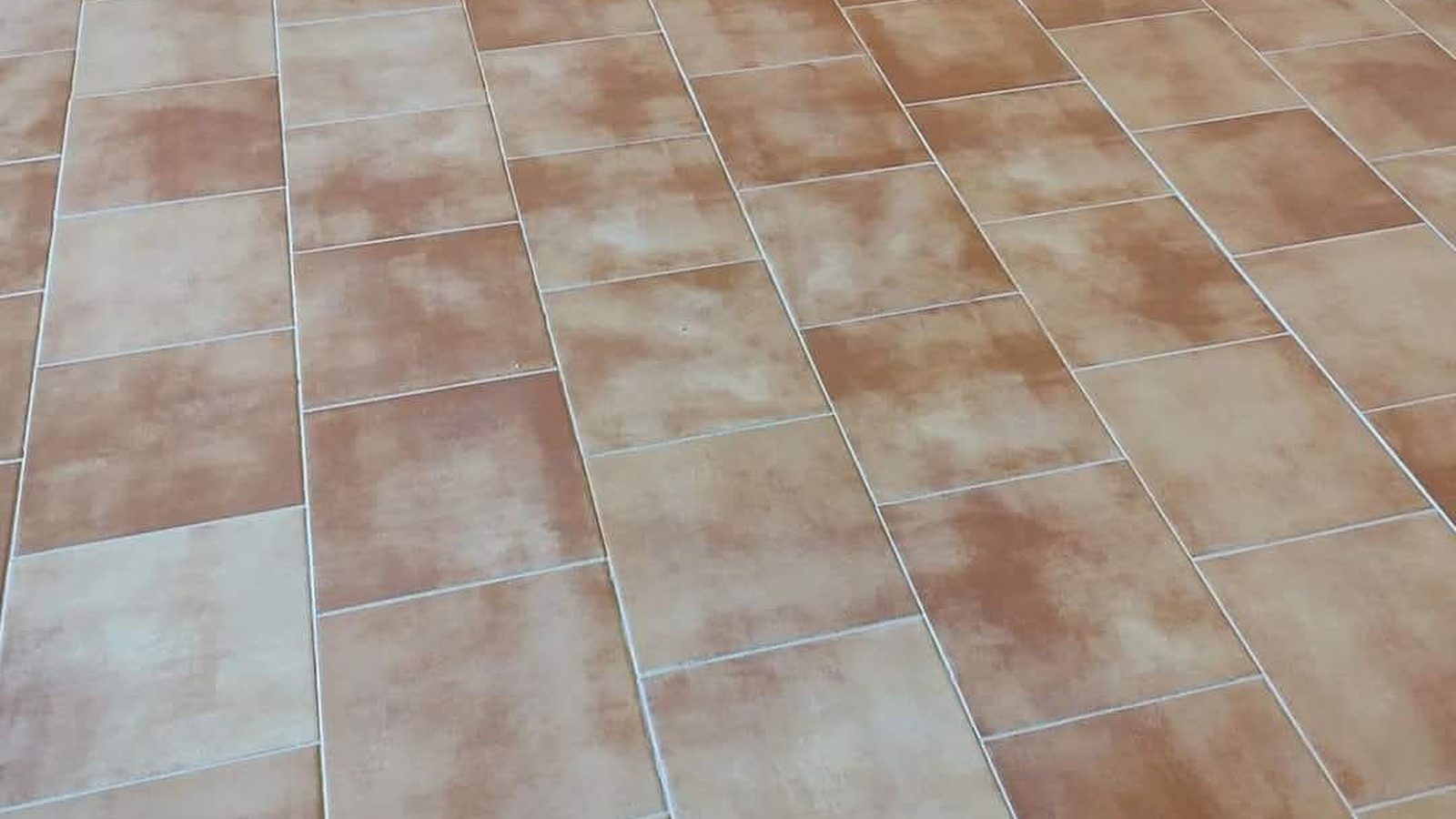
Floors and slip resistance
- Tile with a matte or textured surface is usually less slippery when wet than polished tile.
- Smaller tiles on a shower floor mean more grout lines, which add grip and make it easier to follow the slope to the drain.
- Many manufacturers list a wet slip-resistance rating for floor tile. Check that the tile is rated for the way you plan to use it.
Size and layout
- Large-format tiles have fewer grout lines and a clean look, but they need a very flat surface underneath, so they may require more floor or wall prep.
- Small tiles and mosaics bend more easily around slopes and curves, which is why they are common on shower floors.
- Layout changes the feel of a room. A straight stack reads modern, offset patterns are more traditional, and a running pattern can make a narrow room look longer.
Grout
- Cement-based grout is the most common. It is usually sealed to help resist stains.
- Epoxy and other premium grouts resist stains and are often used in showers, but they can be harder to install. Ask what your installer recommends for each area.
- Color matters. Very light grout on floors can show dirt. A mid-tone close to the tile color is forgiving.
Keeping it in good shape
- Run the bathroom fan during and after showers to clear moisture.
- Squeegee or wipe down shower walls to limit water spots and buildup.
- Use cleaners recommended for your tile and grout, especially with natural stone.
- Watch for cracked grout or caulk at corners and around the tub, and fix it early.
During an insurance rebuild
After a covered water loss, insurance generally pays to restore the bathroom to its pre-loss condition, based on the approved scope. Matching discontinued tile is a common challenge when only part of a floor or wall is damaged. If you would like to choose a different tile or upgrade during the rebuild, you typically pay the difference.
Planning a bathroom remodel or dealing with water damage? Call or send a few details about your project.