Sheen affects how a wall cleans and how it shows flaws. A room-by-room guide to sheen, plus simple ways to test color before you commit.
Choosing paint is two decisions: the color and the sheen. Color gets most of the attention, but sheen often matters just as much. It changes how washable a surface is, how much light it reflects, and how much it shows the imperfections in a wall. Here is a practical guide to both.
Sheen, from flat to glossy
- Flat or matte. Little to no shine. Hides small wall imperfections well. Traditionally harder to scrub, although many current matte paints are made to be more washable.
- Eggshell. A soft, low sheen. A common choice for living areas and bedrooms because it balances a low-glare look with easier cleaning.
- Satin. A bit more sheen and easier to wipe down. Often used in kitchens, bathrooms, hallways and kids' rooms.
- Semi-gloss. Noticeably shiny and durable. Common on trim, doors and cabinets, and in some bathrooms.
- Gloss. The shiniest and hardest wearing, but it shows every flaw in the surface. Used mainly for accents and some trim.
A general rule: the higher the sheen, the easier it is to clean and the more it shows dents, patches and uneven drywall.

Room by room
- Ceilings. Usually flat, to reduce glare and hide imperfections.
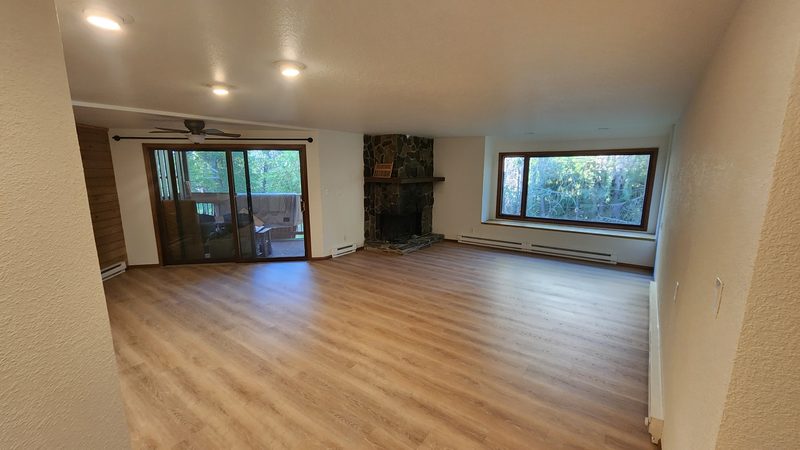
- Living rooms and bedrooms. Matte or eggshell are common.
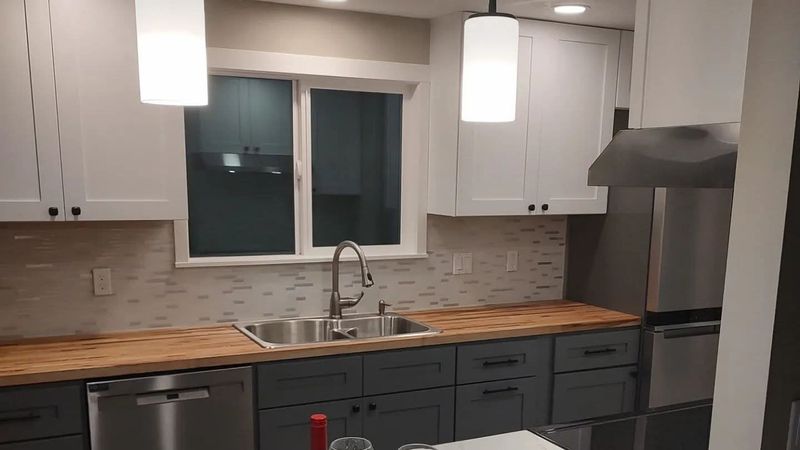
- Kitchens. Satin is often chosen for walls that get splashed and wiped.
- Bathrooms. Satin or semi-gloss, ideally with a paint made for humid rooms. A working exhaust fan helps any paint last.
- Hallways, entries and mudrooms. Eggshell or satin for walls that get bumped and touched.
- Trim and doors. Semi-gloss or satin, for durability and a little contrast with the walls.
Every manufacturer's sheens are a little different. One brand's eggshell may look like another's satin, so compare samples from the product line you plan to use.
Choosing color
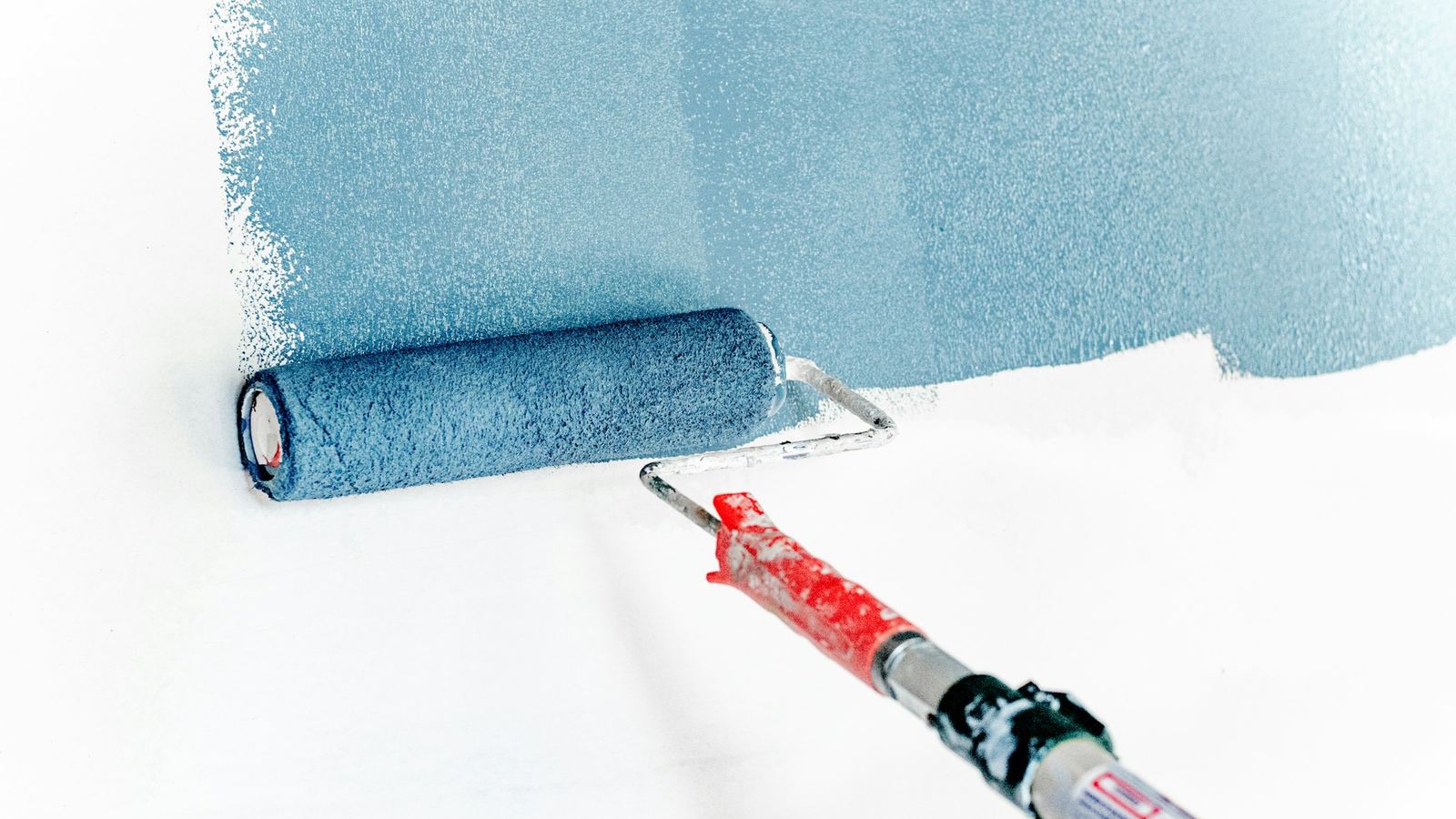
- Test in the room. Paint large samples or use sample boards, and put them on more than one wall.
- Look at different times of day. Natural light changes through the day, and the same color can look different in a room with morning light than in one with afternoon light. Check samples at night under your own bulbs, too.
- Watch the undertones. Whites, grays and beiges can lean warm or cool. Compare samples against your flooring, cabinets and countertops, which don't change.
- Check the light reflectance value. Many color chips list an LRV. A higher number means a lighter color that reflects more light, which can help a dark room.
- Keep a record. Write down the brand, color name, sheen and room. It makes touch-ups and future projects much easier.
Prep matters as much as paint
- New drywall and patches usually need a primer so the finish coat looks even.
- After water, smoke or fire damage, a stain-blocking or odor-sealing primer is often used so stains do not bleed through the new paint.
- Touch-ups blend best on flatter sheens. On higher sheens, repainting a whole wall from corner to corner usually looks better than spot repairs.
During an insurance rebuild
When walls are repaired after a covered loss, the painting needed depends on the approved scope. A small patch painted on part of a wall often doesn't match, which is one reason painting a full wall or room is common in reconstruction. If you would like to change colors while the work is being done, ask early so it can be planned into the schedule.
Questions about paint for a remodel or a rebuild? Call or send a few details about your project.