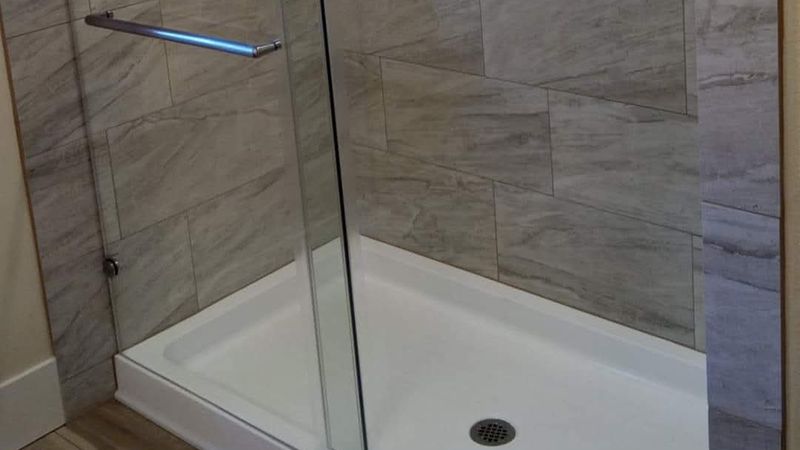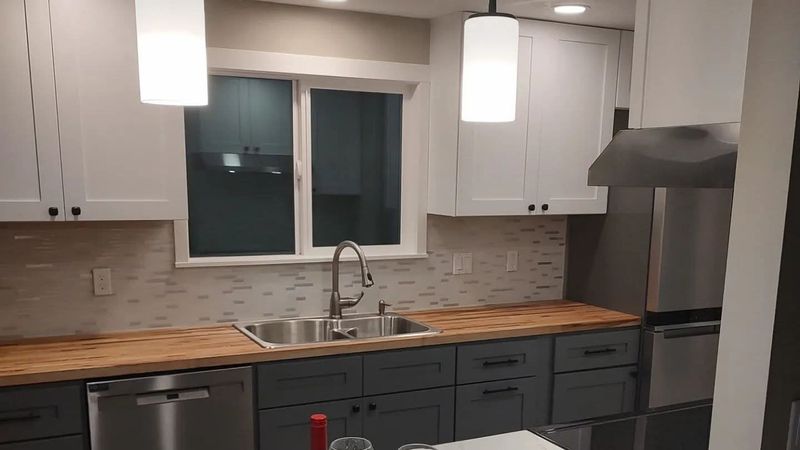
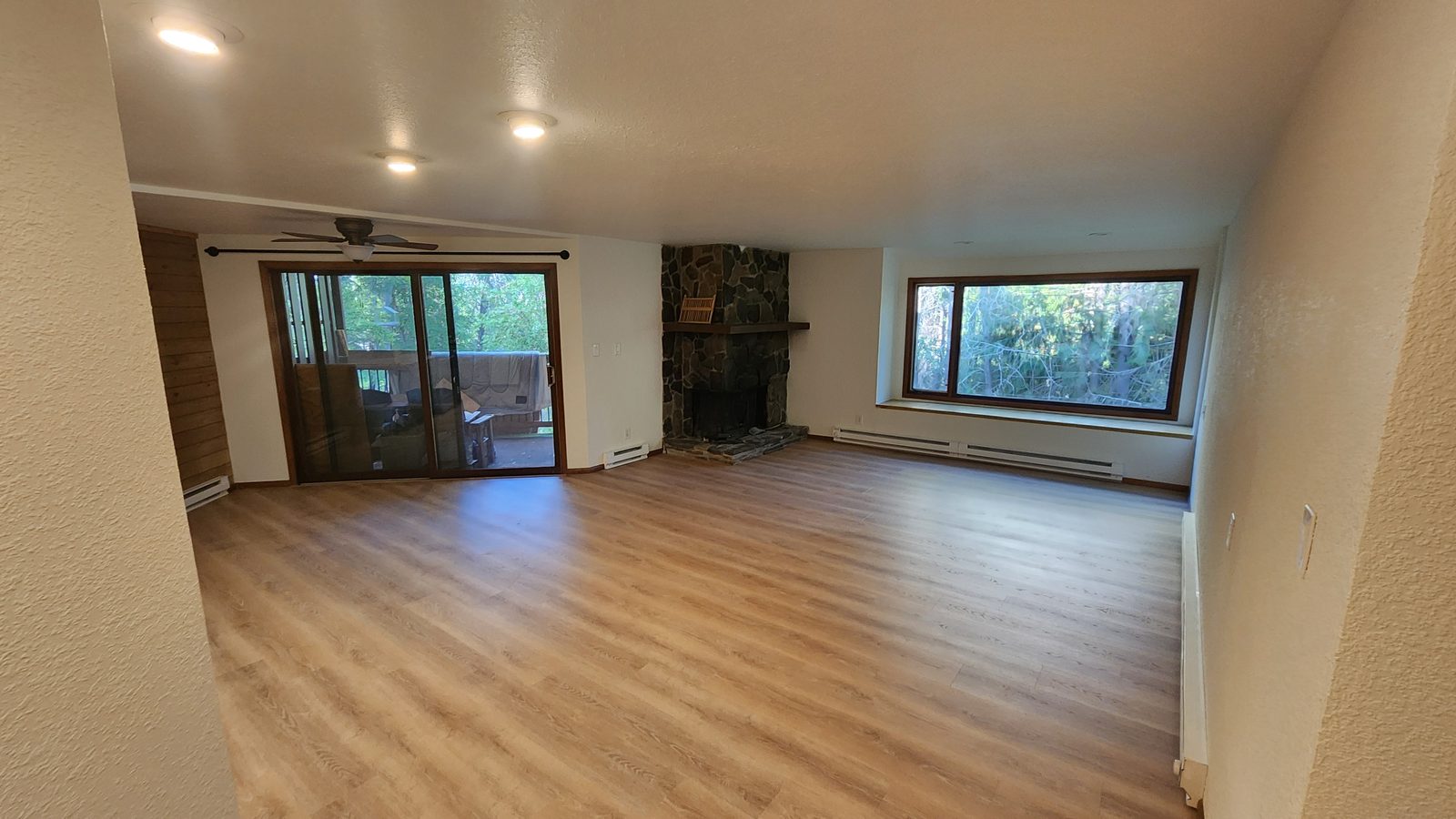
Both look like wood and both install as floating floors, but they are built differently. Here is how to compare them room by room.
Luxury vinyl plank (LVP) and laminate are two of the most common choices when a homeowner wants the look of wood without the cost or upkeep of hardwood. From across the room they can look almost the same. Underfoot, and over time, they behave differently. This guide covers what each one is, where each tends to work well, and the questions worth asking before you pick a product.
What each floor is made of
LVP is built mostly from vinyl. A typical plank has a clear wear layer on top, a printed design layer, and a core. Many current products use a rigid core, often labeled SPC (stone-plastic composite) or WPC (wood-plastic composite). Because the plank itself is plastic-based, many LVP products are sold as waterproof.
Laminate has a core of high-density fiberboard, a wood-based material, with a printed design layer and a hard, clear wear layer on top. Some newer laminates are sold as water-resistant, but the core is still wood-based, so it can swell if water gets into the seams and sits there.
Water and moisture
This is usually the biggest difference.
- In kitchens, bathrooms, laundry rooms, mudrooms and basements, many homeowners choose LVP because the planks hold up better to spills and damp conditions.
- Laminate can work in many of the same rooms if the product is rated for it and spills are wiped up, but standing water is its main weakness.
- "Waterproof" usually describes the plank, not the whole floor. Water can still get through seams or around the edges and reach the subfloor underneath.
If a floor has already been through a water loss, the subfloor needs to be dried and checked before anything new goes down. That work is done by a mitigation company. If you need one, we recommend STAT Restoration, the mitigation partner we work with.
Scratches, dents and wear
- Laminate's top layer is generally hard and resists everyday scratches well.
- LVP's surface is softer than laminate's, so heavy furniture or dropped objects may leave dents, and furniture pads help. That does not make it soft underfoot, though (see sound and feel below).
- For LVP, look at the thickness of the wear layer. For laminate, look at the abrasion class (AC) rating. In both cases a higher rating generally means better resistance to wear, so match the rating to how busy the room is.
Sound and feel underfoot
This is where many people are surprised. On its own, LVP tends to feel harder and sound less quiet than laminate, especially a rigid-core plank over a hard subfloor. Laminate usually has a bit more give and a more muted sound when walked on. Adding a quality underlayment under LVP can close much of that gap by adding cushion and reducing noise. Underlayment matters most on upper floors and in rooms where sound carries. Check which underlayment the manufacturer allows, since some products have an attached pad and some warranties limit what can go underneath.
Look and feel
Both are available in a wide range of wood looks, plank widths and textures. When comparing samples:
- Look at several planks together, not just one, to see how often the pattern repeats.
- Check the edges. Some products have a small beveled edge between planks, others sit flat.
- Walk on a sample in socks if you can, ideally with the underlayment you plan to use. Feel and sound are part of the choice.
- Look at samples in your own room and light. Store lighting can change how a color reads.
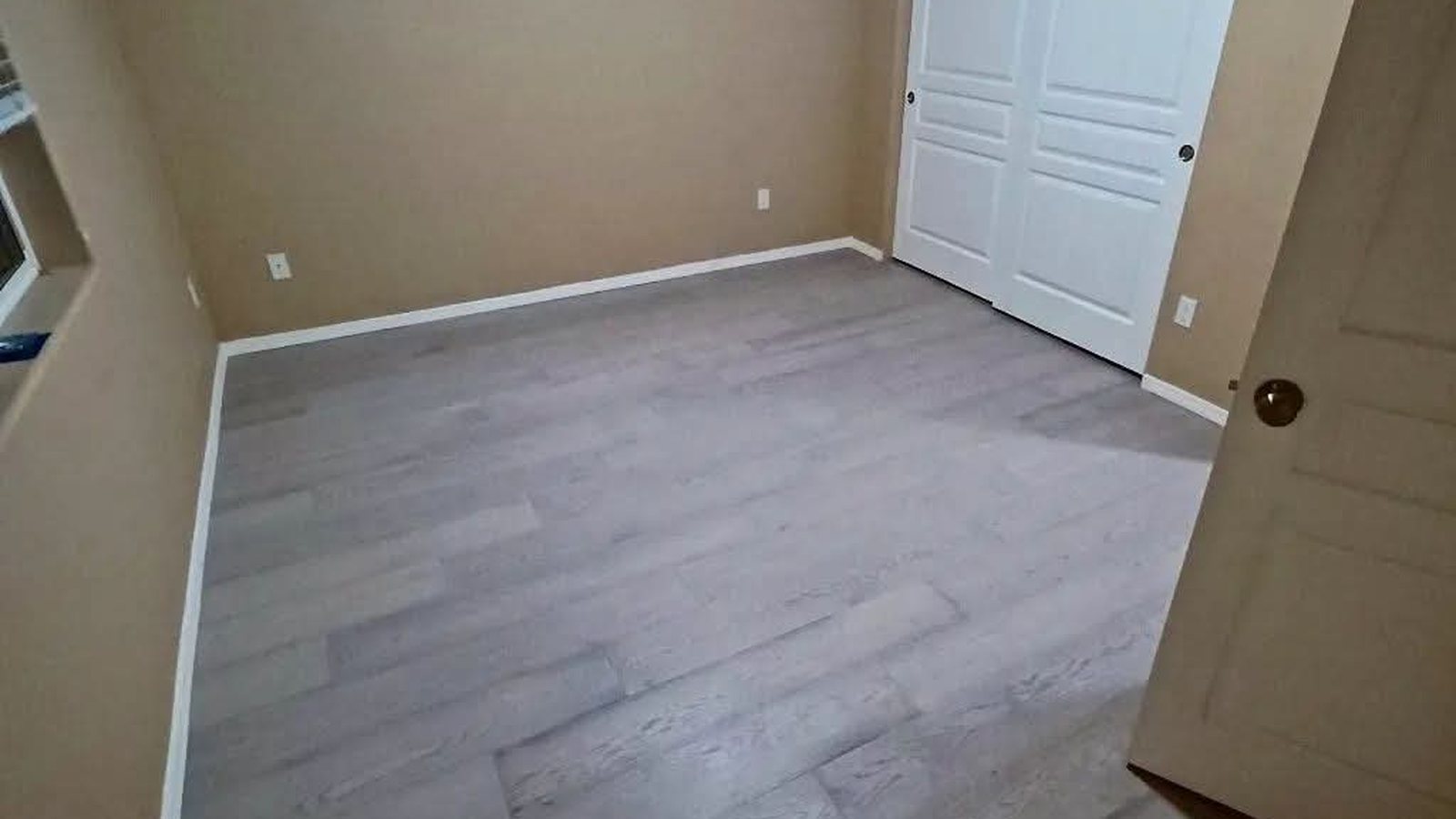
Installation basics
Most LVP and laminate products install as floating floors with click-together edges. A few things matter regardless of which one you choose:
- A flat subfloor. Dips and humps can cause gaps, bounce or joints that come apart. Some floor prep is common.
- Expansion space. Floating floors move with temperature and humidity, so they need a gap at the walls, usually hidden by trim.
- Underlayment. Some planks come with a pad attached. Others need a separate underlayment. Extra underlayment can also make LVP quieter and more comfortable underfoot. Follow the manufacturer's instructions.
- Acclimation and conditions. Some products ask to sit in the room before installation, and many have limits on temperature or direct sun. These details also affect the warranty.
Questions to ask before you choose
- Which rooms will this floor run through, and will any of them see water?
- Do you have pets, kids or heavy furniture?
- What does the manufacturer's warranty require for installation and care?
- Will the floor run continuously from one room to the next, and where will transitions go?
- Is the product in stock, or does it have a lead time?
During an insurance rebuild
After a covered loss, insurance generally pays to restore flooring to its pre-loss condition, based on the scope approved with your adjuster. If you would like to switch from one type of floor to another, or upgrade the product, that is often possible. You typically pay the difference in cost. Matching existing flooring can be difficult when only part of a floor is damaged, so it is worth discussing early.
If you have questions about flooring for a remodel or a rebuild, call or send a few details about your project.